You roll the dice. You land on someone’s hotel. You hand over half your cash. You wait forty minutes for your turn again. Sound familiar?
If Monopoly is your only frame of reference for what a board game can be, prepare to have your mind completely changed.
Modern board games are nothing like the games you grew up with. They’re faster, fairer, smarter — and infinitely more fun. The problem? Walk into a game store today and you’re confronted with hundreds of options, most of which look like they come with a 40-page rulebook and a PhD requirement.
That’s where gateway games come in.
A gateway game is exactly what it sounds like: a door into the hobby. These are games designed to be easy to learn, genuinely fun to play, and interesting enough that you want to come back for more. They introduce you to modern mechanics — without drowning you in complexity.
This guide is your curated shortlist for 2026. Whether you’re a complete newcomer or you’re trying to get your friends and family off the couch and away from their phones, these are the games that will do the job.
What Makes a Good Gateway Game?
Before we get to the list, here’s what separates a great gateway game from a bad one:
- Easy to explain in under 5 minutes. If it takes longer than that, you’ll lose people before a single tile is placed.
- Plays in under 90 minutes. New players need wins, not marathons.
- Rewarding even when you lose. No one should feel eliminated, humiliated, or bored.
- Interesting enough to replay. The best gateway games have enough variety that you want another round immediately.
- Scales well. It should work whether you’re playing with 2 people or 6.
With those criteria in mind, here are the best gateway board games to buy in 2026 — organised by what kind of player you are.
🏆 The Classic Starting Point
Ticket to Ride
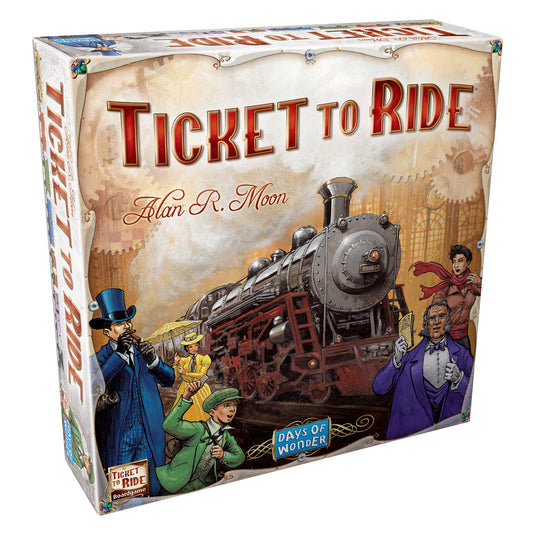
Players: 2–5 | Time: 45–90 min | Ages: 8+
If you only buy one game from this list, make it Ticket to Ride. It’s the single most reliable gateway game ever made, and for good reason.
The premise is simple: you’re building train routes across a map, trying to connect cities on your secret destination cards before anyone else claims the routes you need. You collect coloured train cards, and when you have enough, you place your little plastic trains on the board.
That’s essentially it. The rules fit on one page. You can teach it to literally anyone.
But underneath that simplicity is a surprising amount of tension. Do you grab that crucial route now, or wait one more turn to collect the cards you need? What if someone blocks you? The game creates genuine drama without ever feeling unfair.
Why it’s perfect for beginners: It looks great on the table, it flows fast, and — crucially — everyone understands what’s happening at all times. No one is ever confused about what they’re supposed to do.
Love seeing the community play? Board Game Arena shared the Ticket to Ride Europe launch — now playable online. Days of Wonder’s refreshed 2024 design keeps the same strategic fun with gorgeous new art.
Step up to next: Ticket to Ride: Europe (slightly more complex rules, underground routes and ferry crossings add depth).
Catan
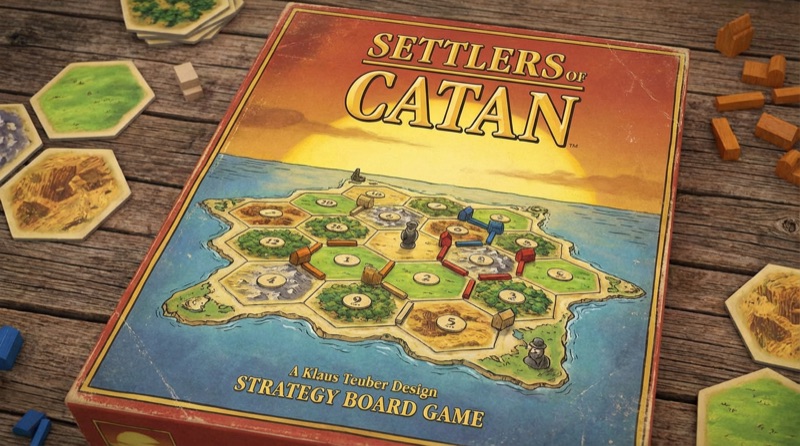
Players: 3–4 | Time: 60–120 min | Ages: 10+
Few games have done more to bring people into the hobby than Catan. GameCows credits it with pulling gaming out of the Monopoly era and into the modern board game renaissance. It has introduced millions of players to the concept of a modern strategy game, and it still holds up today.
You’re a settler on a newly discovered island, collecting resources — wood, brick, wool, grain, and ore — to build roads, settlements, and cities. The twist? The board is different every game, and trading with other players is not just allowed but necessary.
Catan is slightly more complex than Ticket to Ride, but it teaches several mechanics at once: resource management, negotiation, and strategic building. It also happens to be the game that most of your friends have probably heard of, which makes it easy to suggest for a group night.
One honest caveat: Games can run long with four players, and if someone falls behind early it can be hard to recover. Know your group before bringing this one out.
Step up to next: Catan: Cities & Knights, which adds a fantastic layer of depth to the base game.
🧩 For the Puzzle Lover
Azul
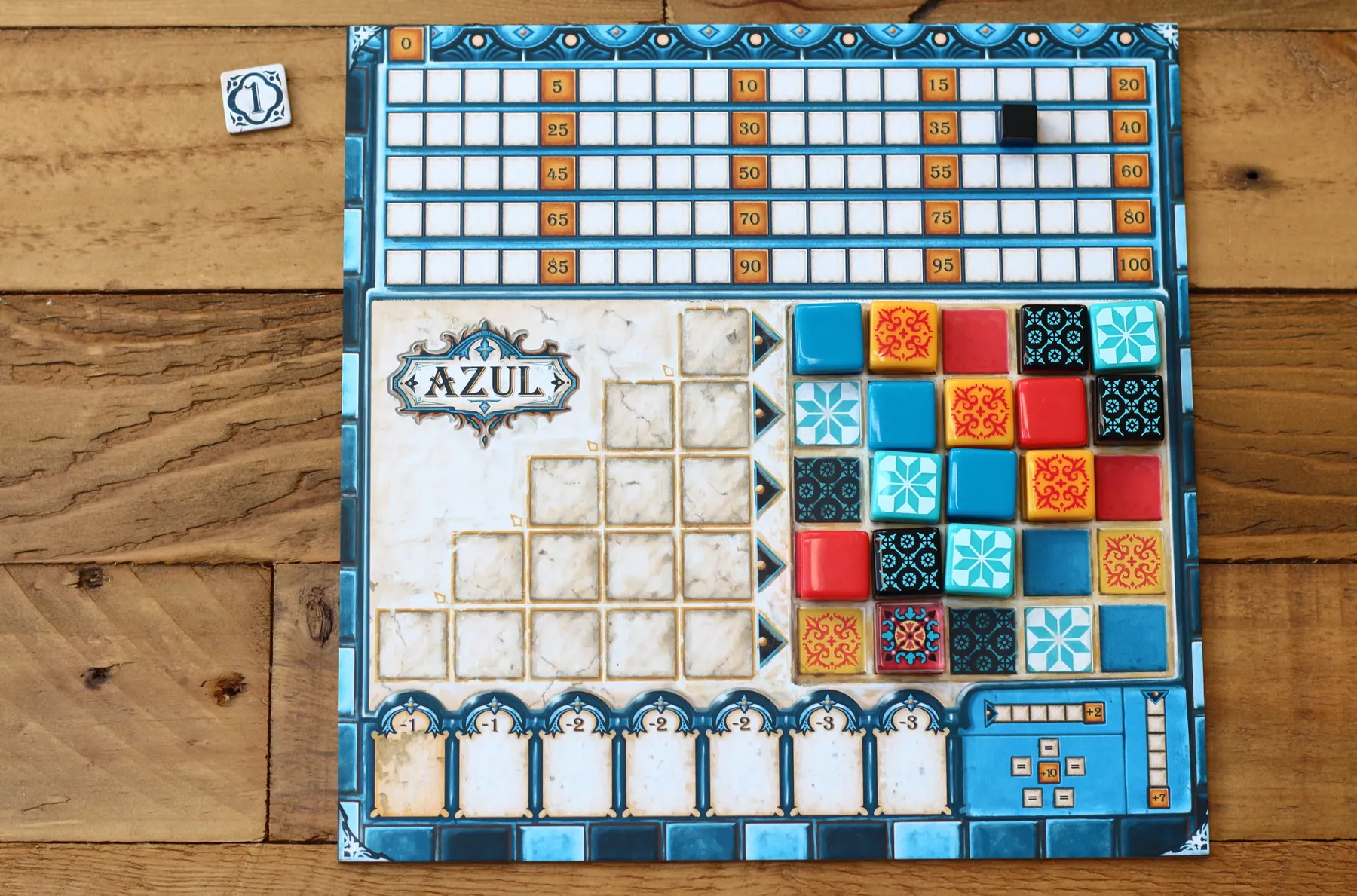
Players: 2–4 | Time: 30–45 min | Ages: 8+
Azul is one of those rare games that looks and feels so good that people pick it up off the table before you’ve even started explaining the rules.
You’re drafting beautiful resin tiles — they really do feel like candy — and placing them on your personal mosaic board. Score points by completing rows, columns, and sets of colours. Discard tiles you can’t use and lose points. That push-and-pull between taking tiles you want and not picking up tiles you can’t use is where the game lives.
It’s the kind of game that you can explain in three minutes and that people want to play again as soon as it’s over. Tabletop Bellhop notes that very few people don’t enjoy it — exactly what you want in a gateway game.
Why it’s perfect for beginners: Abstract enough that it never feels overwhelming, tactile enough that it never feels like homework.
Step up to next: Azul: Summer Pavilion adds a more flexible placement system and a bit more strategic depth.
Carcassonne
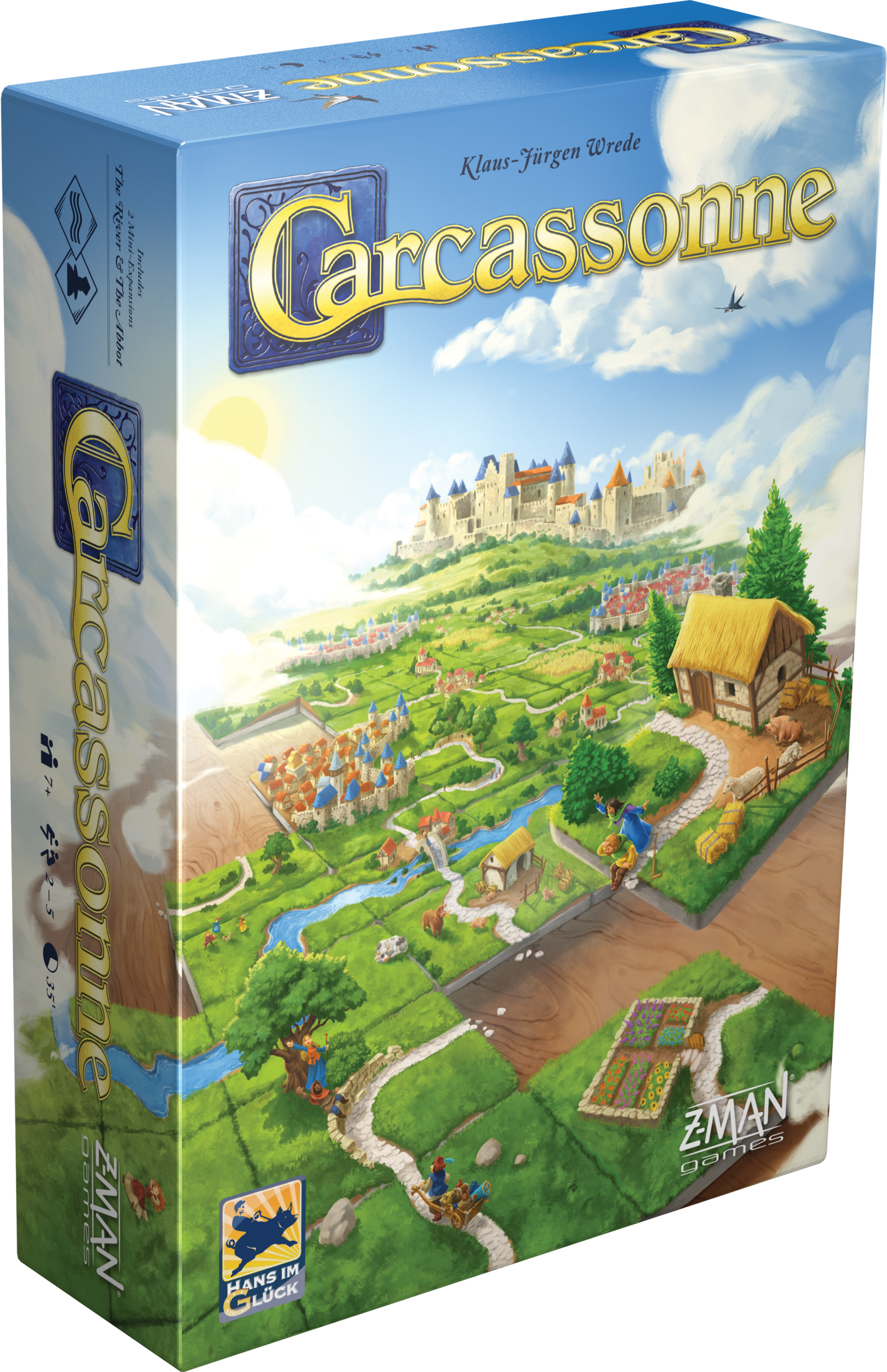
Players: 2–5 | Time: 30–45 min | Ages: 7+
Carcassonne has been introducing people to board games for over two decades, and it still belongs on this list.
There is no pre-made board. Instead, you and your opponents build the medieval landscape together, drawing and placing hex tiles one at a time to extend roads, cities, and fields. You claim features with your meeples — a word this very game gave to the hobby — and score points when those features are completed.
The rules take minutes to explain. The strategy reveals itself over several games. And no two games ever look the same.
Why it’s perfect for beginners: The shared building creates a sense of collective investment that makes even new players feel engaged, even when they’re learning.
Step up to next: The Inns & Cathedrals expansion is the natural first add-on, adding scoring modifiers and a 6th player.
🤝 For Groups Who Want to Play Together (Not Against Each Other)
Pandemic
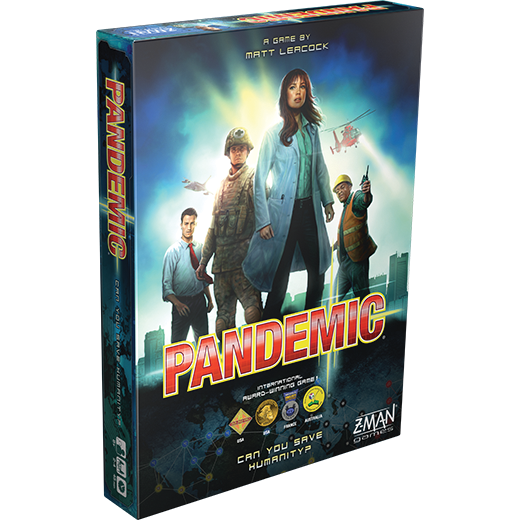
Players: 2–4 | Time: 45–60 min | Ages: 8+
Pandemic is the game that made cooperative board games mainstream. You and your team play as disease-fighting specialists trying to cure four deadly viruses before they overrun the world. You win together or you lose together.
What makes Pandemic so effective as a gateway game is that it completely reframes what a board game can be. Suddenly, everyone is on the same side. You’re strategising together, planning together, stressing together. The game creates real stakes and real emotion in a way that purely competitive games sometimes can’t.
Why it’s perfect for beginners: Co-op games are especially great for mixed groups — they stop more competitive players from steamrolling beginners, because everyone’s fighting the same enemy.
Step up to next: Forbidden Island is a lighter version by the same designer, perfect for younger players or shorter sessions. Pandemic Legacy: Season 1 is one of the greatest board games ever made when your group is ready for a longer commitment.
Forbidden Island
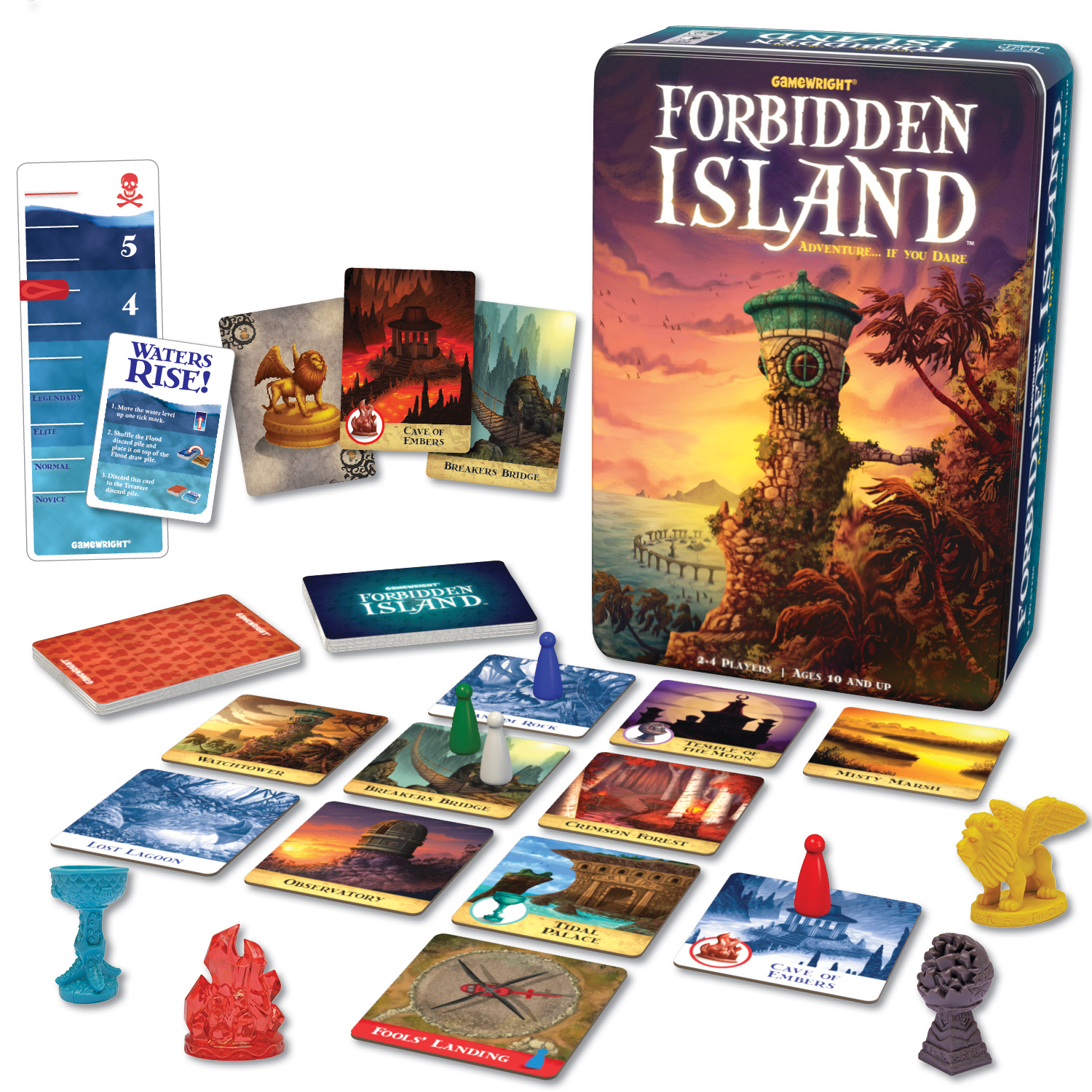
Players: 2–4 | Time: 30 min | Ages: 10+
If Pandemic sounds slightly too intense for your group, Forbidden Island is the perfect lighter alternative — also cooperative, also by the same designer (Matt Leacock), but with a faster setup and shorter play time. Coop Board Games highlights that it was designed for beginners and has brought thousands of people into the hobby — easy to set up, easy to play, and you can adjust the difficulty level for your group.
Your team of adventurers is trying to collect four sacred treasures and escape a sinking island before it swallows you whole. Tiles literally get removed from the board as the game progresses, making every decision feel urgent.
It’s one of the best games ever made for introducing the co-op concept. Most groups want to play it twice in a row.
🎭 For Groups Who Like Bluffing and Social Play
Codenames
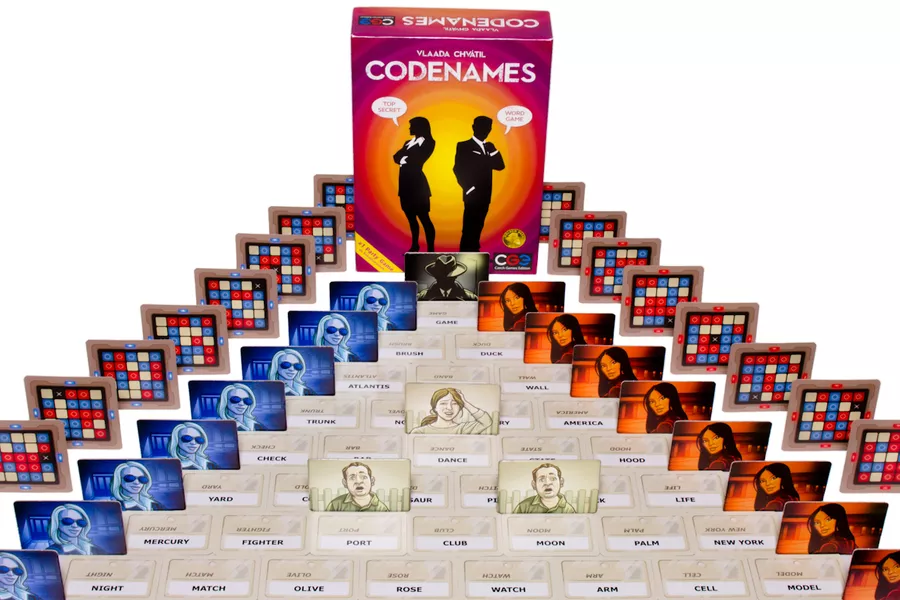
Players: 4–8 | Time: 15–30 min | Ages: 10+
Codenames is the closest thing the modern hobby has to a party game classic, and it deserves to be in every collection.
Two spymasters give one-word clues to help their teams guess which of the 25 words on the table are “theirs” — without accidentally guessing the assassin word that ends the game instantly. The tension when your team starts debating what your clue could possibly mean is genuinely hilarious.
Why it’s perfect for beginners: Codenames requires absolutely no prior board game knowledge. Anyone who has played word association games in school can jump in immediately.
Step up to next: Codenames: Pictures swaps the words for illustrated cards, which often makes it even more challenging and funny.
Dixit
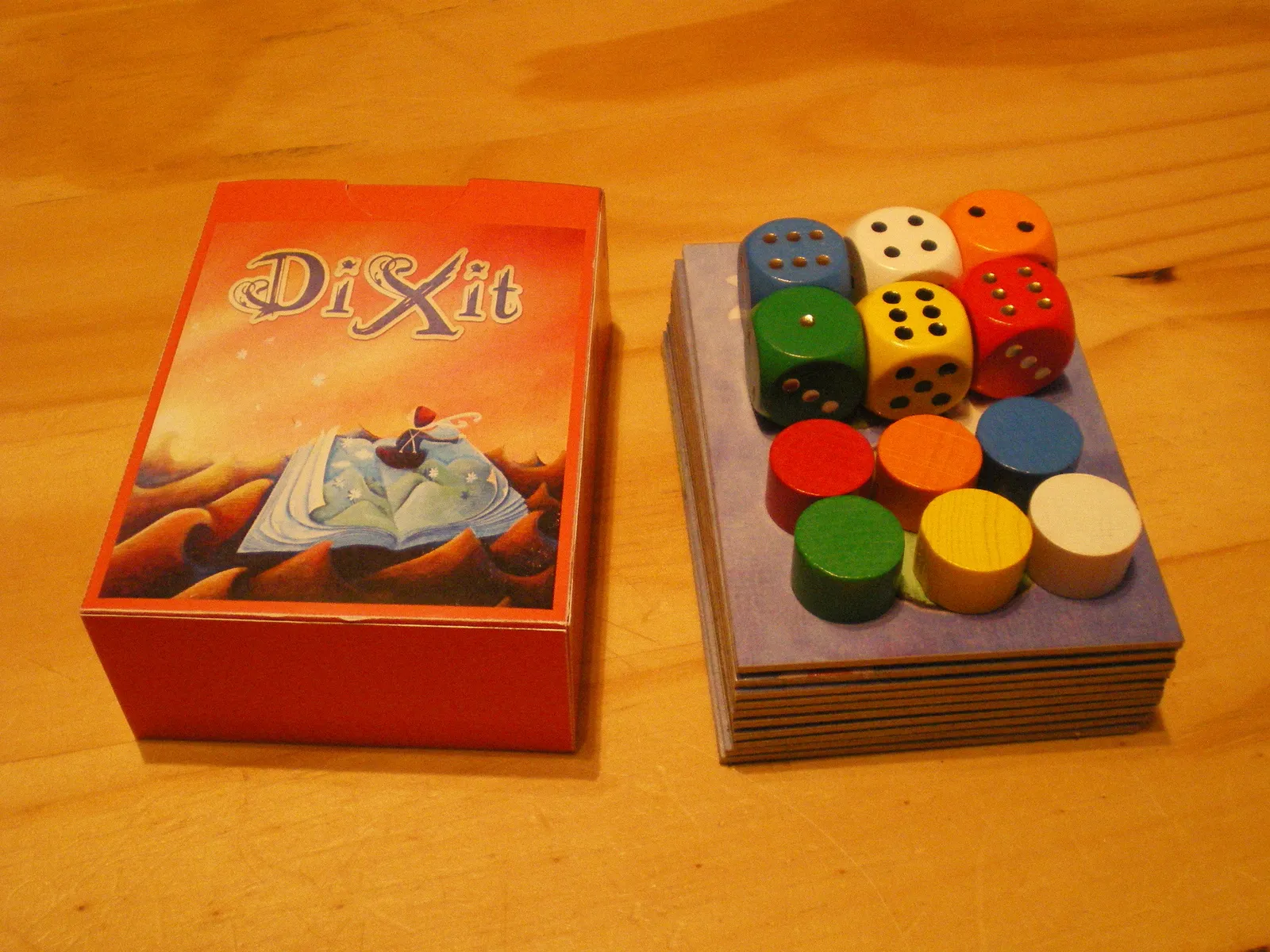
Players: 3–6 | Time: 30 min | Ages: 8+
Dixit is a storytelling game built around some of the most beautiful card illustrations ever put in a box. On your turn, you play one of your cards face-down and give a clue — a word, a phrase, a sound, a feeling — that hints at your card without being too obvious. Everyone else secretly plays a card they think matches your clue. Then you all guess which card the storyteller played.
It’s creative, funny, and generates conversations that continue long after the game ends.
Why it’s perfect for beginners: There is almost nothing to explain. The rules are three sentences. It works for every age group, and it’s hard to play badly.
💎 For the Slightly More Adventurous Beginner
Splendor
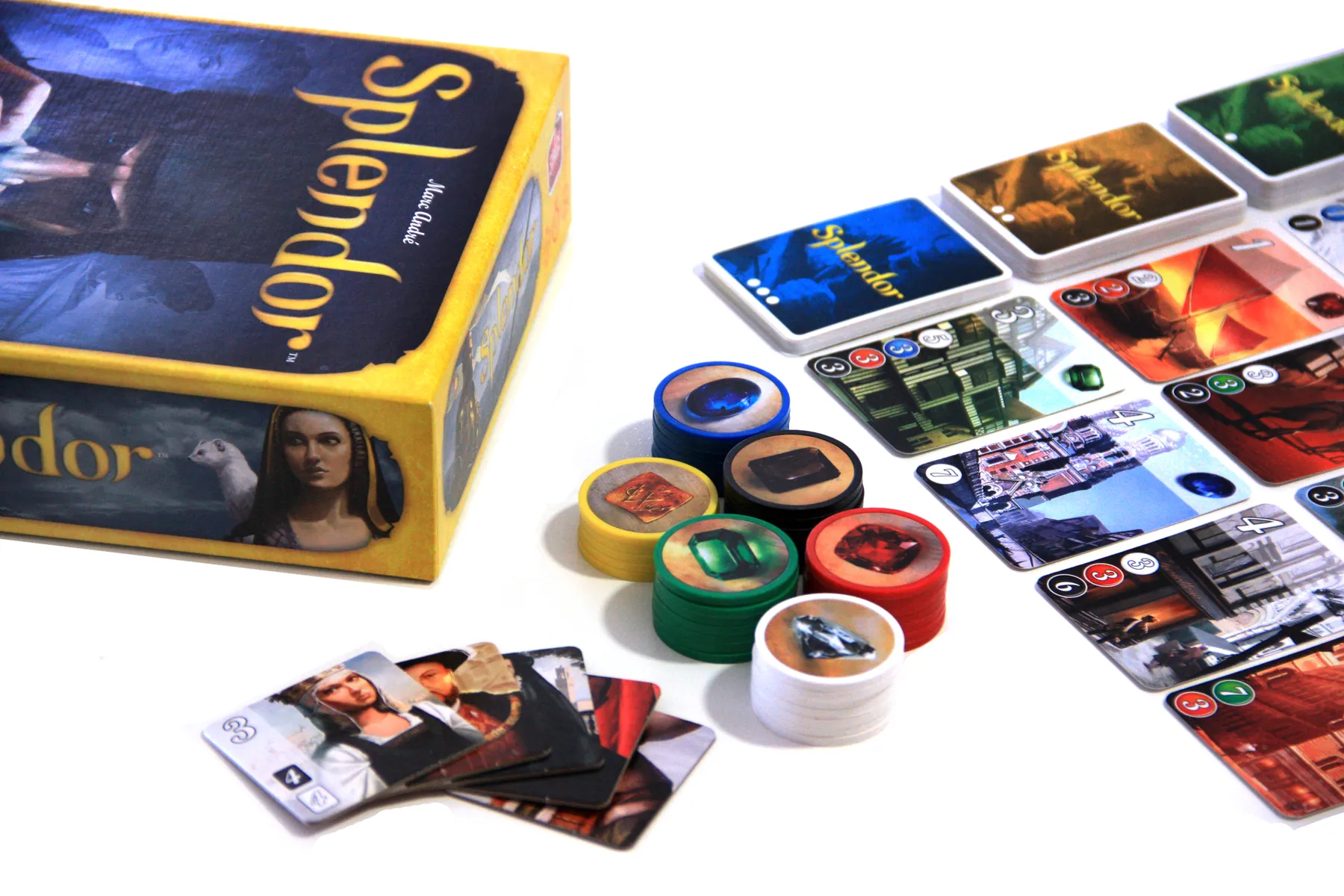
Players: 2–4 | Time: 30 min | Ages: 10+
Splendor is a gem merchant game with an elegantly simple loop: collect gem tokens, spend them on development cards, use those cards to buy more expensive cards, score points. That’s it. But the engine-building feel — where each card you buy makes future turns slightly easier — is deeply satisfying and teaches a mechanic that appears in dozens of more complex games.
Why it belongs here: Splendor is deceptively deep. New players can grasp it quickly, but there’s enough strategy to keep experienced gamers interested too.
Kingdomino
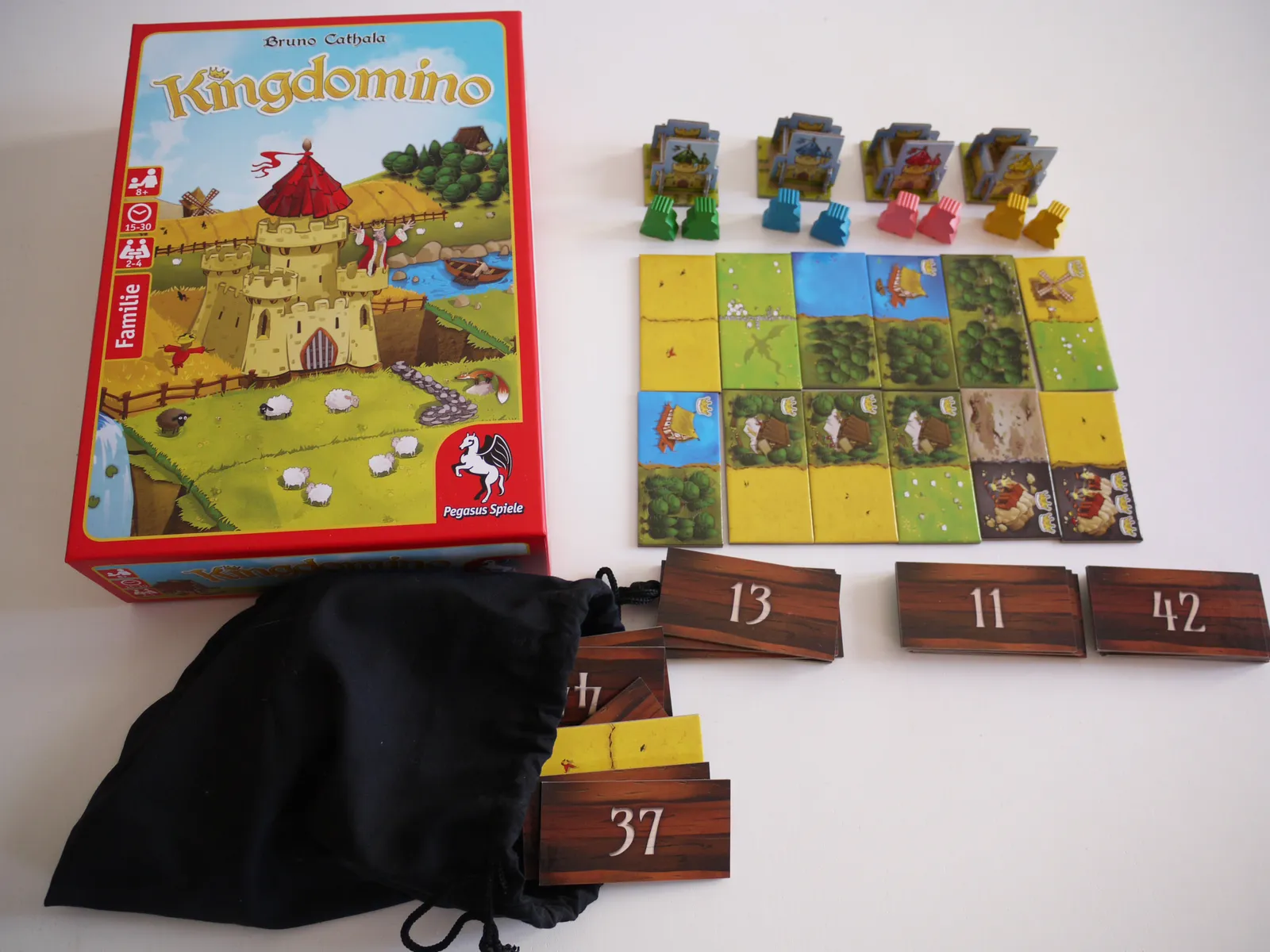
Players: 2–4 | Time: 15–20 min | Ages: 7+
Think of Kingdomino as the modern, hobby-friendly version of dominoes. You draft double-sided landscape tiles and connect them to your growing kingdom, scoring points for matching terrain types and Crown symbols.
It plays in 15 minutes, the rules take two minutes to explain, and it’s genuinely enjoyable at every player count. @neverboredofboardgames shared: “We’ve enjoyed playing it with our 6 year old and just each other. The tricky part is trying to decide which tile to take each round to maximise your points.” It’s also inexpensive, which makes it a perfect first buy.
🗺️ How to Choose the Right Game for Your Group
Not sure where to start? Use this quick guide:
| Your group | Start here |
|---|---|
| Family with younger kids | Kingdomino, Forbidden Island |
| Group of friends, first game night | Ticket to Ride, Codenames |
| Couples or 2-player game nights | Azul, Carcassonne, Splendor |
| Friends who love strategy | Catan, Splendor |
| Friends who like party games | Codenames, Dixit |
| Competitive group that fights too much | Pandemic, Forbidden Island (co-op!) |
What Comes After Gateway Games?
Once you’ve played a few of the games on this list and you’re ready to go deeper, the hobby opens up dramatically. Here are some directions to explore:
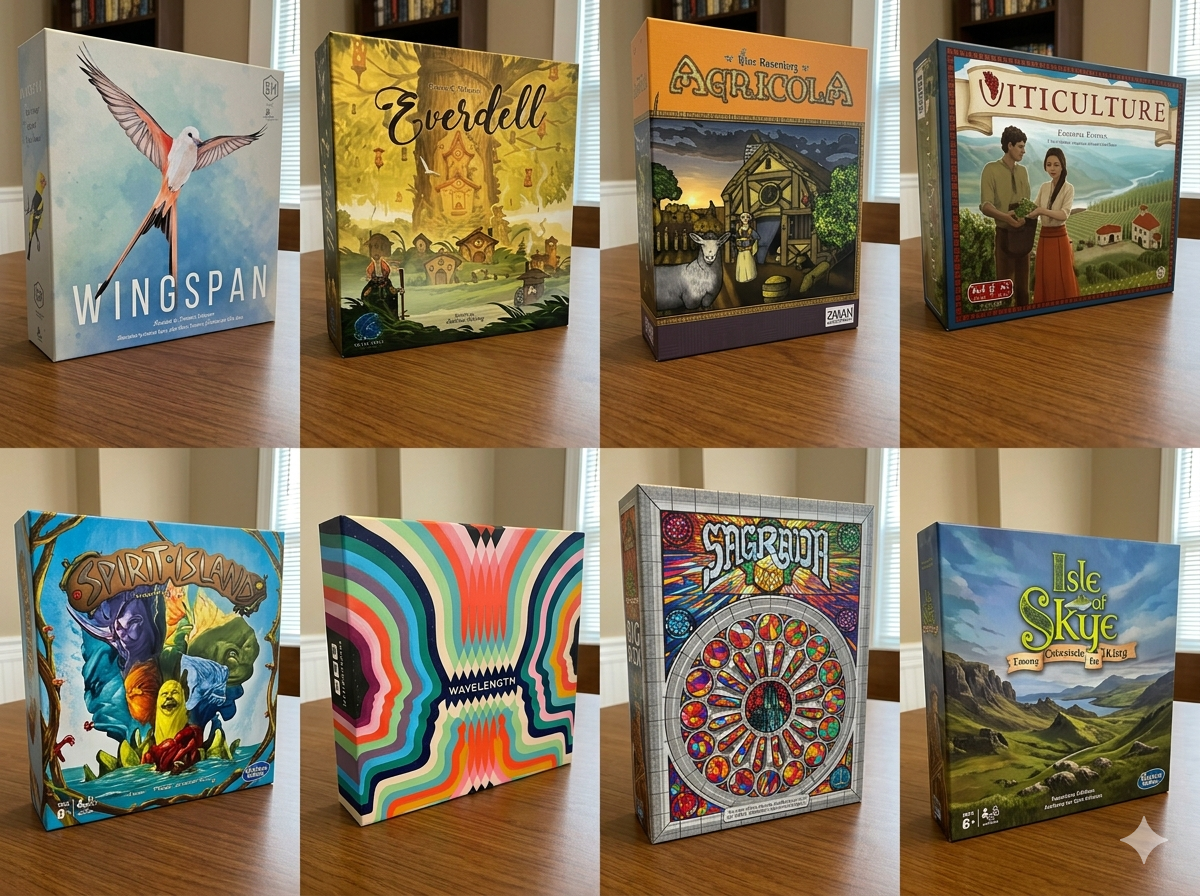
- If you loved Ticket to Ride → try Wingspan or Everdell for more card-driven engine building
- If you loved Catan → try Agricola or Viticulture for deeper resource management
- If you loved Pandemic → try Spirit Island for a more complex co-op challenge
- If you loved Codenames → try Wavelength or Just One for more creative word games
- If you loved Azul → try Sagrada or Isle of Skye for more tile and draft-based puzzles
The Bottom Line
The best thing about gateway board games isn’t actually the games themselves — it’s where they lead. Every person who starts with Ticket to Ride and discovers they love planning and strategy ends up chasing that feeling deeper into the hobby. Every group who plays Pandemic together and wins at the last second creates a shared memory that no video game or streaming service can replicate.
That’s what modern board games do. They create moments.
You don’t need to start with anything complicated. Grab one game from this list, invite some people over, and just play. The rest will take care of itself.
Which gateway game got you into the hobby? Let us know in the comments below — and if you’re buying your very first game, drop a question and we’ll help you pick the perfect one for your group.
Leave a Reply