Mind
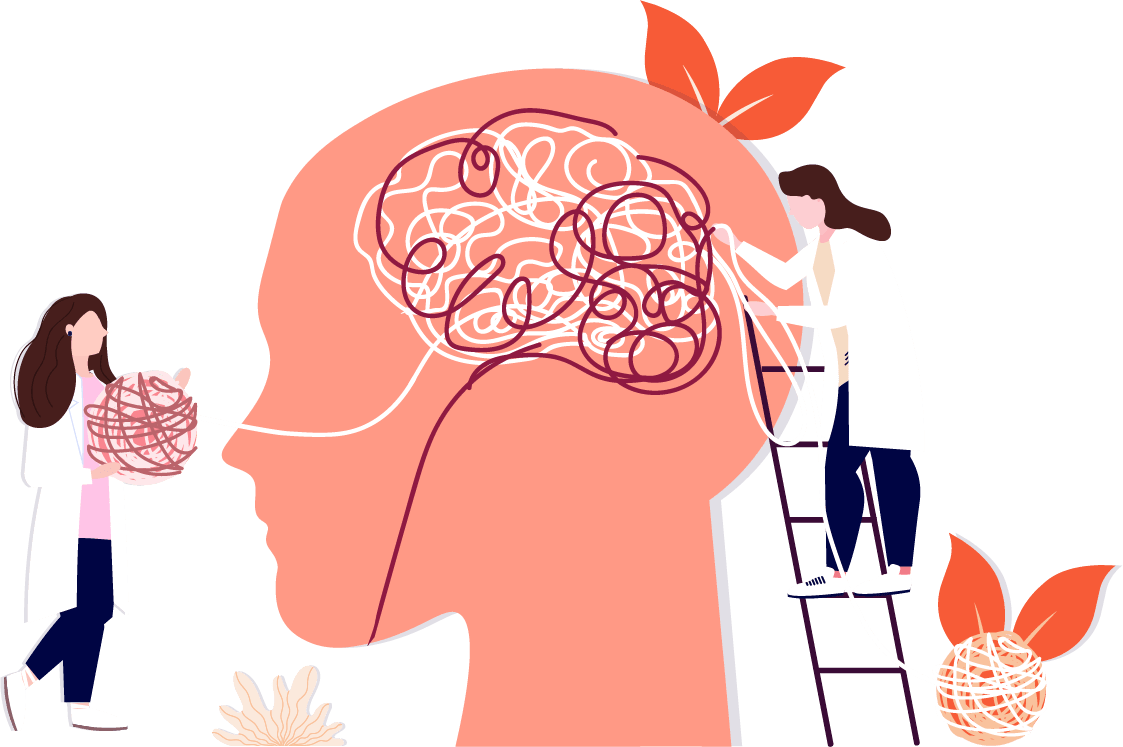
The mind is the set of faculties including cognitive aspects such as consciousness, imagination, perception, thinking, intelligence, judgement, language and memory, as well as noncognitive aspects such as emotion and instinct.
The mind is closely linked to the brain, that is, the emotions, thoughts and cognitive processes are
biological and regulated by neurochemicals in the brain. Just like other physical medical illnesses,
mental illnesses have biological basis and need medical treatment too.
Mental health plays an important role for a healthy life as the mind has a huge impact on the
functioning of the body (physical aspects).
Mental health, if affected, causes worsening in the existing medical illnesses or can also lead to
development of physical ailments. If not treated timely, a mental illness can cause severe impairment in
social and occupational functioning of an individual as it deals with the psychological(mind) as well as
the biological(brain) aspects of a person.

Mind
Chief Consultant
Dr. Sweta Parikh (M.D. Psych)
Deaddiction Specialist
Women's Mental Health Expert
If one suffers from persistent sadness or low mood or loss of interest in previously pleasurable activities for a longer duration of time, without any apparent reason, then it can be considered that one is suffering from Major Depressive Disorder/ Depression. There are other signs too which indicate that one has MDD, such as:
- Change in appetite
- Sleep disturbance
- Lethargy, tiredness without any reason
- Hopelessness, Helplessness, Worthlessness
- Suicidal thoughts/ attempts
These symptoms are extremely disturbing and cause significant disruption in social
and occupational functioning.
Depression is the most common cause of suicide worldwide.
Suicide is amongst the top 10 causes of death in youth all over the world.
Depression, therefore, if suspected should be addressed and treated.
- Just like Depression, Bipolar Mood Disorder (BMD) is a mood disorder in which there are episodes of mood fluctuations.
- Episodes can be of depression or mania/ hypomania
- Mania/ hypomania is indicated by persistent cheerful/ irritable/ elated mood with grandiose thoughts, racing thoughts, decreased need for sleep, increased energy, loss of inhibitions, reckless decision making, excessive involvement in pleasurable activities, increased substance use/ smoking/ drinking etc.
- The frequency of the episodes can vary from multiple episodes a year to one episode every few years.
- There can be mood variations, with seasonal changes.
- This is an episodic illness, with no symptoms in the inter-episodic period.
There are many subtypes of anxiety disorders, the symptoms of which vary
accordingly.
In all of the anxiety spectrum disorders, the commonly seen signs of anxiety can be:
- Excessive, inappropriate, unexplained anxiety/ restlessness/ unexplainable fear over prolonged periods
- Palpitations, racing negative thoughts, butterflies in abdomen, nausea, increased sweating, difficulty in breathing, choking sensations, increased urination/ stool frequency etc.
Some people have severe attacks of anxiety/ panic which last for a few minutes to a
few hours. They have extreme anxiety causing fear that one might go mad/ something
bad is going to happen/ they might be having a heart attack and might die. These
people also rush to the emergency department suspecting a heart attack.
Some people present with unexplained bodily pains, which are non-specific, variable
with time, associated with signs of anxiety.
Some also suffer from anxiety in specific situations like social anxiety/
performance anxiety.
Some also have episodes of loss of awareness, seizure like symptoms, jerky bodily
movements, excessive crying, lasting for a few minutes to hours. This may be stress
induced and can be hysteria
Some might present with fear of having some major illness, despite all normal
investigations and multiple doctors’ consultations. This is an anxiety spectrum
disorder, known as hypochondriasis.
In Body Dysmorphic Disorder, there is severe anxiety related to the one’s physical
appearance. There is a perceived idea of some body part/ appearance being
inappropriate/ disfigured. It is a false belief or exaggerated than the
reality.
Having anxiety is a normal phenomenon for most, but if it is too frequent/ out of
proportion and affects the performance/ functioning then it is a disorder and
needs
to be treated.
OCD is manifested by:
- Obsessions: which can be in the form of repetitive thoughts/ images/ impulses, causing interference with daily activities. One does understand and identify these thoughts as being irrational/ illogical/ inappropriate/ out of proportion, but can't control them by will.
- Compulsions: One performs certain acts/ tasks (for eg. checking, washing, praying, chanting, counting, ritualistic behaviors etc.), which are time consuming and cause functional impairment. If these acts are not completed, it causes severe anxiety.
- Impulsivity may be present in a few cases, in which due to inability to control the impulses, one may suffer from harmful consequences.
Schizophrenia presents with different set of symptoms in different patients. Though there are variations in the symptoms, the common symptoms/ signs in schizophrenia may be:
- Irrelevant talking, muttering
- Inappropriate social behavior: aggression, disrobing, shouting obscenities, poor selfcare (not bathing/ brushing/ grooming)
- Laughing/ smiling without any apparent reason, gesturing
- False, unshakeable beliefs that some people are conspiring against or talking about or making fun of him/ her, someone is trying to harm him/ doing Black magic
Rarely patients also present with complete mutism, severe restriction of movements, inactivity lasting for days, lying in abnormal painful postures for hours, urinary/ stool retention
Schizophrenics have severe functional impairment. But there is a proportion of them that have only a few perceptual/ thought disturbances but may be perfectly functional in other aspects
- SLEEP DISORDERS
Sleep disorders can present with either altered in sleep quality/ quantity.
There can be increased/ decreased quantity of sleep. Normal sleep can vary between 6 and 10 hours/ day for a normal person. If there is a change is the regular amount of sleep, it needs to be investigated.
Some people feel tired and not fresh even after having adequate hours of sleep
Some may suffer from intermittent waking up fin the night and not being able to fall asleep immediately. This sort of fragmented sleep is not refreshing and is disturbing
Some people are unable to have sound and adequate sleep during the night resulting in daytime drowsiness
Some may also have frequent dreams/ nightmares, affecting the quality of sleep with frequent waking up with a startle.
- EATING DISORDERS
There might be significant alteration in the appetite. It may be decreased/ increased appetite, with alteration in quantity/ frequency of meals. This can lead to significant changes in their weight too.
Some present with binges of eating, which might be impulsive or anxiety-mood related
Some present with purging/ induced vomiting with or without binging. They may also have excessive inadvertent use of laxatives/ bowel stimulants
Prolonged excessive and frequent consumption/ use of any of the substances like alcohol, tobacco chewing/ smoking, weed/ ganja/ bhaang/ marijuana/ hash, brown sugar/ afeem, sedatives/ sleeping pills, coke/cocaine/meth, sniffing on certain substances or use of other drugs can cause dependence on that substance
If one has either physical withdrawal symptoms if the substance is not used or has cravings in its absence, then he is likely to be dependent on that
Unavailability can lead to physical withdrawal symptoms, aggression, physical pains/ discomfort
It can also lead to social/ occupational disturbances. They keep on being mentally and physically occupied in activities related to substance use
There might be episodes of intoxication, leading to harmful consequences
- Substance use can also lead to other mental disorders.
- Substance dependence can also be genetic.
The most common mental health ailments in geriatric (elderly) group of patients are
- Dementia: it is a disorder in which one stops creating memories leading to forgetfulness, inability to recall recent events/ names of people/ routine activities as well as past events in very severe cases. Secondary to memory disturbance, behavioral disturbances also occur. They might become paranoid, anxious, restless, have difficulty in maintaining hygiene. This is a progressive condition which worsens with age but if treated at an early stage, progression can be controlled.
- Delirium: presents with altered orientation, behavioral disturbance, with alteration in consciousness as well
- Depression/ adjustment issues/ grief are also commonly seen disorders in the elderly people. Sleep disturbance, change is appetite, altered mood are some of the signs which should not be neglected in elderly patients.
Children at different ages present with different mental health disorders. Commonly seen disorders in children are:
- Attention Deficit- Hyperactivity Disorder (ADHD): This generally presents by 7 years of age. The child is restless, fidgety, unable to sit in a place for long, interrupts everyone, unable to focus on work/ play, academically poor despite having good/ fair intellect.
- Bed wetting: Bladder control in children is generally achieved by 5 years of age, but if not then it needs to be treated. Bedwetting can restart in some at a later age even after bladder control is once achieved. This can be due to anxiety/ stressful conditions.
- Autism: It is seen at a very young age, when the child doesn’t maintain eye contact, has poor social skills, decreased interaction with people, uncomfortable in presence of strangers. Autistic children need special education and their caregivers too need psychoeducation. These children might have normal intellectual functioning as well.
- Social withdrawal/ anxiety in certain situations: Some children present with pains/ crying, fear in certain situations. They might become extremely anxious while getting separated from their mothers.
- Learning disabilities/ lower intellectual functioning: Some children have a normal IQ, but unable to learn specific subjects, like a language/ mathematics / unable to read/ write despite understanding it all. Dyslexia is a type of learning disorder.
- Oppositional behaviors/ aggression/ abusive behaviors
- Assessment through psychological testing by an in house trained clinical psychologist is available at SWASTI.
- Treatment for all psychiatric illnesses:
- a. Medicines: safe, non addictive, not causing sedation/ functional difficulties
-
b. Psychotherapy/ Counselling:
- i. Behavior therapy
- ii. Cognitive therapy
- iii. CBT (Cognitive Behavior Therapy)
- iv. Deaddiction counselling
- v. Marital counselling
- vi. Family therapy
- c. ECTs: Electroconvulsive Therapy under anesthesia, in a well-equipped operation theatre setup
- Indoor admission facilities for unmanageable or suicidal patients and for deaddiction purpose
There are many conditions in which treatment can be stopped after a duration of 6 months or a year or two, and these do not need lifelong medicines.
Similar to other medical illnesses, psychiatric illnesses need treatment and do not get cured only by counselling/ talk therapy/ a few sessions.
Just the way medical conditions worsen with inadequate treatment and non-compliance/ irregular treatment/ skipping doses, psychiatric illness also don’t get cured by such lapses in treatment. This is not an indication of medicines being addictive, but it only indicates that the illness persists and needs regular treatment.
Mental health issues cause severe disruption in the routine life and cause functional impairment and suffering to the patients. In such patients it is more beneficial to administer medicines rather than letting them suffer due to the fear of side effects.
These medicines bring about changes in cognition for the betterment of the patients and are not used to keep the patients under sedation.


